Choosing the Right Charging Equipment
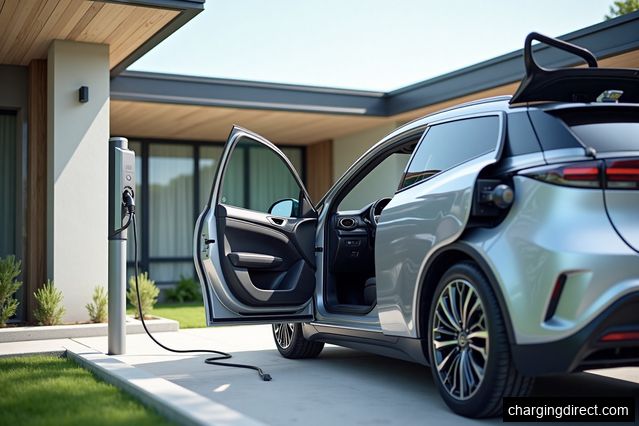
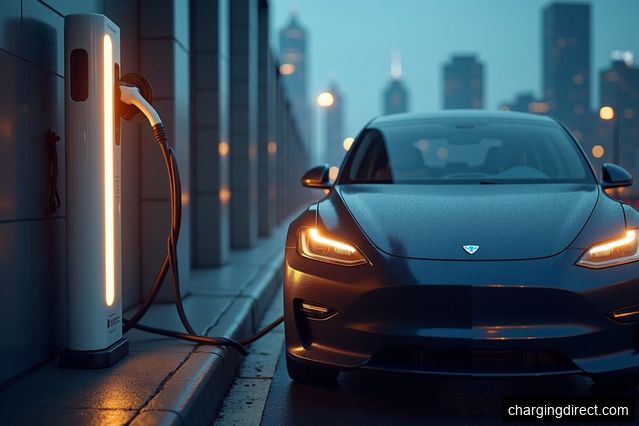
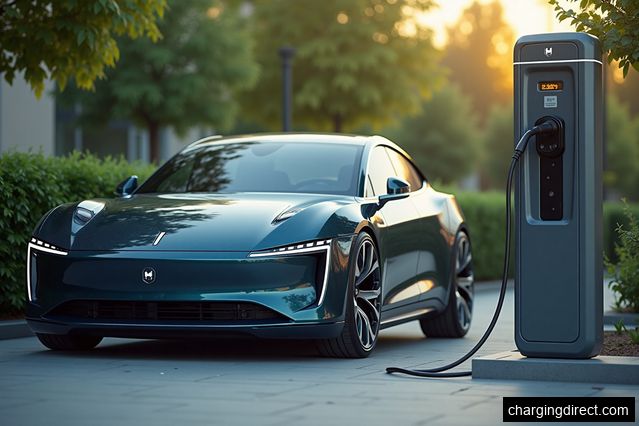
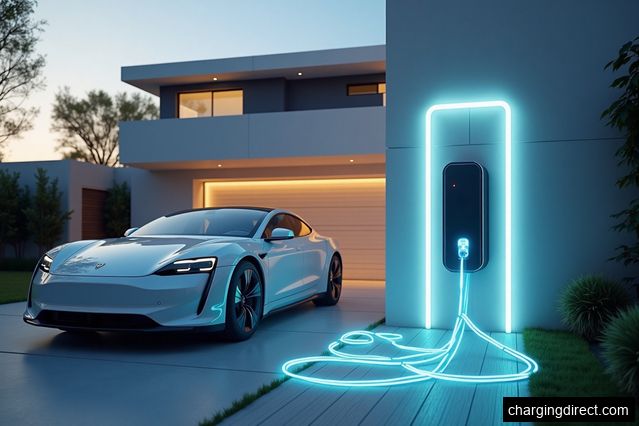
The first step to setting up a home EV charging station is choosing the right charging equipment. There are different types of chargers available, including Level 1, Level 2, and DC Fast Chargers. Level 1 chargers are the most basic and usually come with your electric vehicle. They can be plugged into a standard 120-volt outlet but provide a slow charging speed. Level 2 chargers, on the other hand, require a 240-volt outlet and offer faster charging times. DC Fast Chargers are the fastest option but are typically more expensive and require professional installation.
Determining Power Requirements
Before installing a Level 2 charger, you need to determine the power requirements of your electric vehicle. Most electric vehicles require a 30-amp circuit, but some may need a 40-amp or 50-amp circuit. It's important to check your vehicle's manual or consult with an electrician to ensure you have the right electrical capacity for your charging needs.
Preparing Your Electrical System
Once you've determined the power requirements, you need to ensure that your electrical system can handle the load. It's essential to have a dedicated circuit for your EV charger to avoid overloading your existing electrical system. Contact a licensed electrician to assess your electrical panel's capacity and make any necessary upgrades or modifications.
Installing the Charging Equipment
After preparing your electrical system, it's time to install the charging equipment. If you opted for a Level 2 charger, you'll need a certified electrician to install a 240-volt outlet and the charging station. Ensure that the installation is done according to local electrical codes and regulations. It's recommended to hire a professional to ensure a safe and proper installation.
Setting Up the Charging Schedule
Once the charging equipment is installed, you can set up a charging schedule to optimize energy usage and take advantage of off-peak electricity rates. Many EV charging stations come with software or mobile apps that allow you to schedule charging sessions. Consider setting up your charging schedule to take advantage of renewable energy sources or when electricity demand is lower.
Monitoring and Maintenance
It's essential to regularly monitor and maintain your home EV charging station. Keep an eye on the charging equipment for any signs of damage or malfunction. Clean the charging cables and connectors regularly to ensure a good connection. If you notice any issues, contact the manufacturer or a professional electrician for assistance.