Reducing Carbon Emissions
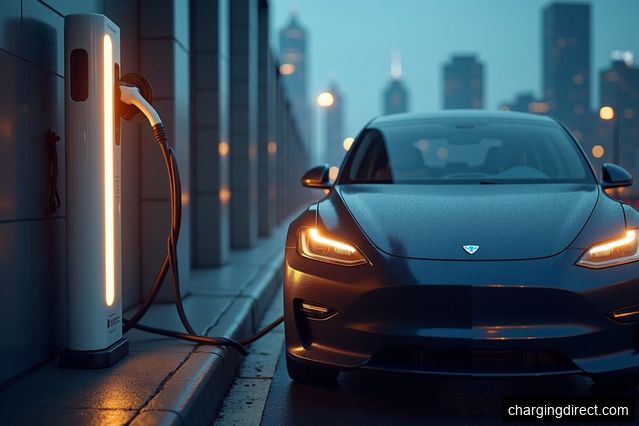
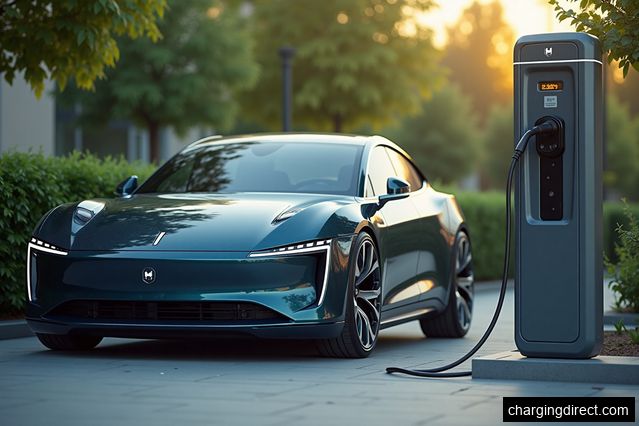
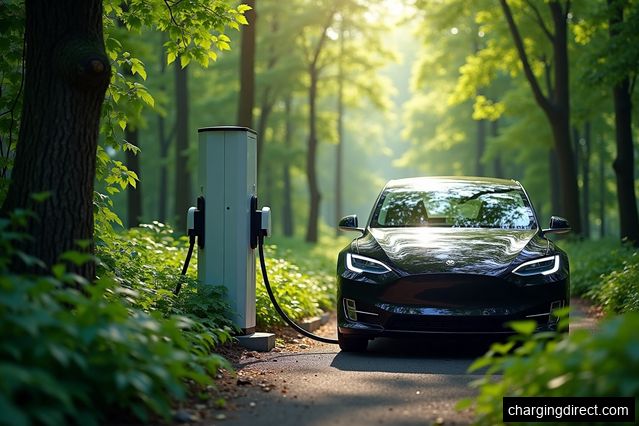
One of the most significant advantages of EV charging is its role in reducing carbon emissions. Traditional gasoline-powered vehicles emit harmful greenhouse gases that contribute to climate change. In contrast, electric vehicles produce zero tailpipe emissions when charged using renewable energy sources such as solar or wind power. By adopting electric vehicles and utilizing clean energy sources for charging, we can greatly reduce our carbon footprint and mitigate the effects of global warming.
Promoting Renewable Energy Integration
The rise in EV charging infrastructure also encourages the adoption of renewable energy sources. As more electric vehicles hit the road, the demand for clean energy increases. This demand drives investments in renewable energy infrastructure such as solar and wind farms, stimulating the growth of the green energy sector. By promoting the integration of renewable energy sources into the grid, EV charging plays a crucial role in transitioning to a sustainable energy future.
Improving Air Quality
In addition to reducing carbon emissions, widespread adoption of EV charging has a positive impact on air quality. Combustion engine vehicles release pollutants such as nitrogen oxides and particulate matter, leading to poor air quality and respiratory health issues. Electric vehicles, on the other hand, do not emit these harmful pollutants. As more people switch to electric vehicles and rely on EV charging infrastructure, we can expect cleaner air and a healthier environment.
Reducing Noise Pollution
Electric vehicles are significantly quieter than their gasoline-powered counterparts. This reduction in noise pollution is particularly beneficial in urban areas, where noise from traffic can have a detrimental impact on quality of life. By promoting the use of EV charging and encouraging the transition to electric vehicles, we can create quieter and more peaceful cities, improving the overall well-being of residents.
Preserving Natural Resources
Electric vehicles have the potential to reduce our dependence on fossil fuels and preserve natural resources. Unlike gasoline-powered vehicles, which rely on finite resources like oil, electric vehicles can utilize various energy sources, including renewable energy. By transitioning to electric vehicles and supporting the growth of EV charging infrastructure, we can help conserve valuable natural resources and create a more sustainable future.
Minimizing Water Consumption
The traditional extraction and refining processes involved in producing gasoline require significant amounts of water. By reducing the demand for gasoline through the adoption of electric vehicles, we can minimize water consumption and alleviate the strain on water resources. EV charging, especially when powered by renewable energy, contributes to the conservation of water, an essential resource for our planet's sustainability.