
Reducing Environmental Impact through Energy-Efficient Charging Stations
One of the key aspects of sustainable practices in EV charging infrastructure is the use of energy-efficient charging stations. These stations are designed to minimize energy consumption and reduce the strain on the electrical grid. By utilizing technologies such as smart charging, load management, and energy storage systems, operators can optimize energy usage and minimize peak demand. This not only reduces greenhouse gas emissions but also helps to ensure a stable and reliable power supply for charging electric vehicles.
Implementing Renewable Energy Sources
To further enhance the sustainability of EV charging infrastructure, the integration of renewable energy sources is crucial. By harnessing solar, wind, or hydroelectric power, charging stations can reduce their reliance on fossil fuels and contribute to a cleaner energy mix. This not only reduces carbon emissions but also helps to promote the development and adoption of renewable energy technologies. Additionally, combining renewable energy with energy storage systems allows for the efficient utilization of clean energy, even during periods of low generation.
Optimizing Charging Infrastructure Placement
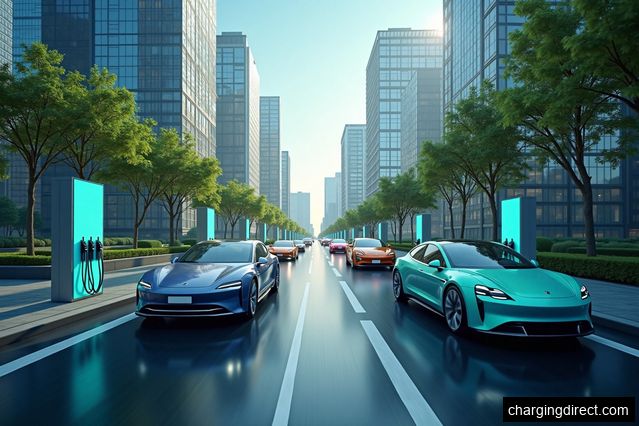
Another important aspect of sustainable practices in EV charging infrastructure is optimizing the placement of charging stations. Strategic placement can help minimize the need for additional infrastructure, reduce the overall energy consumption, and enhance the convenience for EV owners. By locating charging stations near existing electrical infrastructure, such as substations or distribution lines, the need for costly infrastructure upgrades can be minimized. Moreover, placing charging stations in areas with high EV adoption rates or near public transportation hubs can encourage the use of electric vehicles and reduce reliance on traditional fossil-fueled vehicles.
Integrating Smart Grid Technologies
To further optimize charging infrastructure placement, the integration of smart grid technologies is essential. Smart grid technologies enable real-time monitoring and control of electrical loads, allowing operators to dynamically adjust charging rates based on grid conditions and user demand. By leveraging advanced communication and data analytics, charging operators can ensure optimal charging experiences for EV owners while minimizing the strain on the grid. This not only improves the overall efficiency of the charging infrastructure but also enhances grid stability and reliability.
Enhancing User Experience and Accessibility
Sustainable practices in EV charging infrastructure also focus on enhancing the user experience and accessibility. By providing user-friendly interfaces, clear signage, and convenient payment methods, EV charging stations can encourage more people to switch to electric vehicles. Additionally, implementing universal accessibility features, such as wheelchair ramps and reserved parking spaces, ensures that electric vehicle charging is accessible to all individuals, regardless of their physical abilities. This inclusivity promotes a more sustainable and equitable transportation system.
Integrating with Public Transportation Networks
To further enhance accessibility and promote sustainable mobility, integrating EV charging infrastructure with public transportation networks is crucial. By strategically placing charging stations near bus stops, train stations, or park-and-ride facilities, EV owners can conveniently charge their vehicles while utilizing public transportation services. This not only reduces the reliance on private vehicles but also helps to alleviate traffic congestion and reduce emissions in urban areas.